



![Antimicrobial Resistance [AMR] in Hausa](https://healthtoday.com.ng/wp-content/uploads/2024/02/antimicrobial-resistance-AMR--360x180.jpeg)




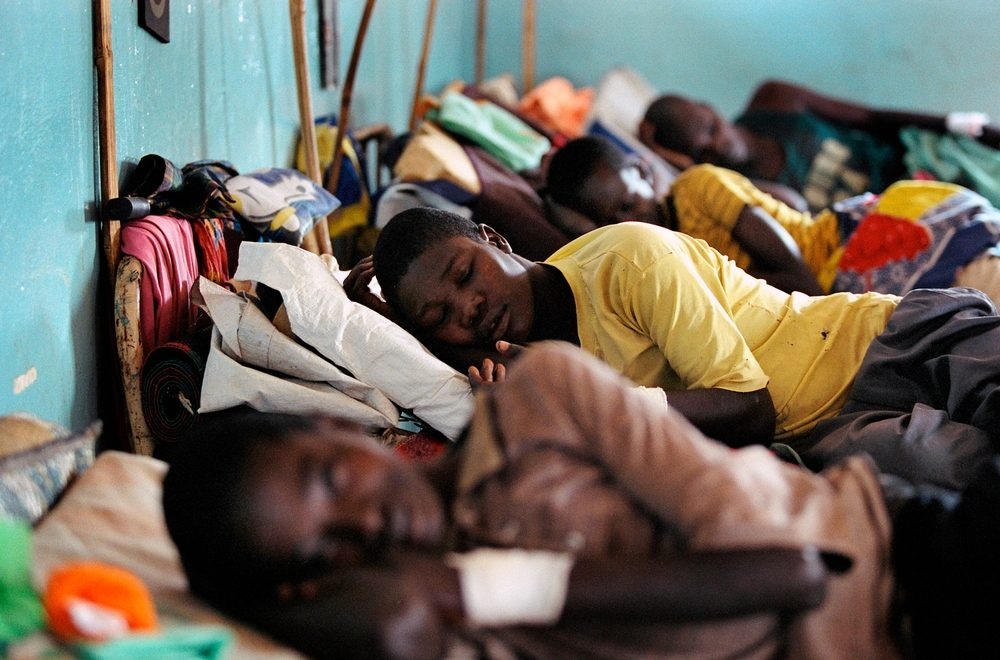
A major milestone has been reached in the global fight against sleeping sickness, also known as human African trypanosomiasis. A simplified oral treatment regimen has received regulatory approval, potentially transforming disease management across rural Africa.
The disease, transmitted by the tsetse fly, has long plagued remote communities with limited access to hospital-based treatment. Historically, therapy required complex intravenous administration and prolonged hospitalization.
The new oral therapy simplifies treatment into a short course of pills, significantly improving accessibility and compliance.
Why This Matters for Africa
The World Health Organization has prioritized sleeping sickness elimination as part of its neglected tropical diseases (NTDs) roadmap. Several African countries have already reported dramatic reductions in incidence over the past decade.
Public health experts believe simplified treatment could:
- Reduce logistical burdens on rural clinics
- Improve early-stage treatment coverage
- Accelerate elimination timelines
The Africa Centres for Disease Control and Prevention has also emphasized strengthening regional surveillance networks to prevent resurgence.
Broader Implications
Neglected tropical diseases disproportionately affect the poorest populations. Treatment innovation is therefore not only a medical breakthrough but a socioeconomic intervention.
With sustained funding, political commitment, and cross-border collaboration, elimination may now be within reach.
References
- World Health Organization Neglected Tropical Diseases Roadmap
- Africa Centres for Disease Control and Prevention Disease Elimination Reports
- European Medicines Agency Regulatory Update