














![Antimicrobial Resistance [AMR] in Hausa](https://healthtoday.com.ng/wp-content/uploads/2024/02/antimicrobial-resistance-AMR--360x180.jpeg)




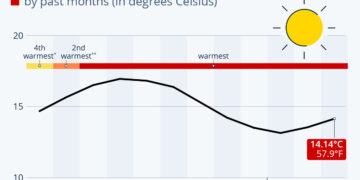

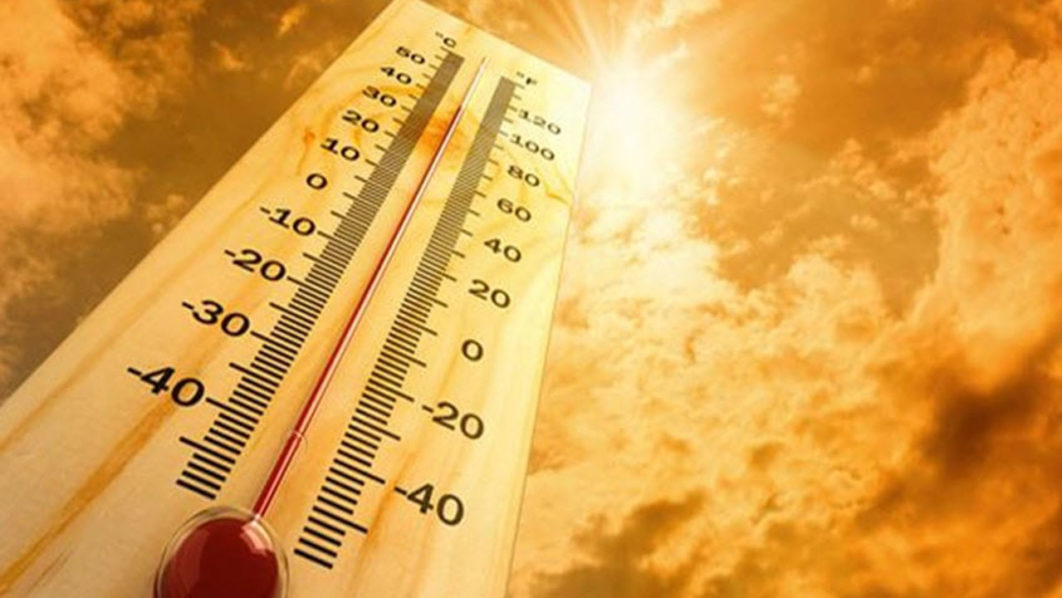
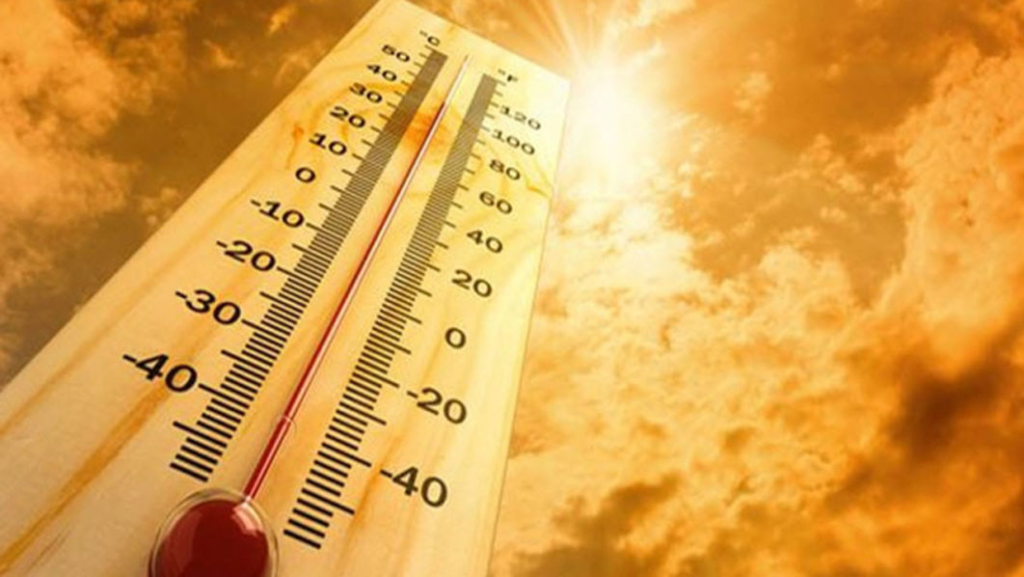
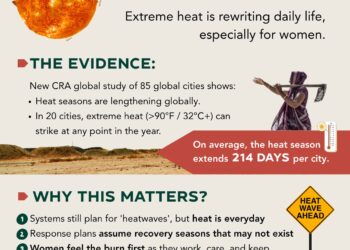
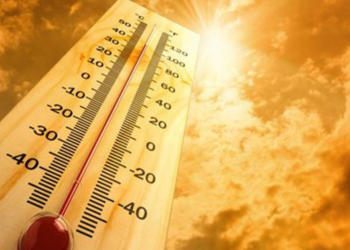
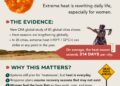
As temperatures climb across northern Nigeria, public health officials are warning of increased vulnerability to meningitis outbreaks and heat-related illnesses.
Climate scientists note that prolonged dry seasons and elevated temperatures create favorable conditions for meningitis transmission, particularly within the “meningitis belt” spanning West Africa.
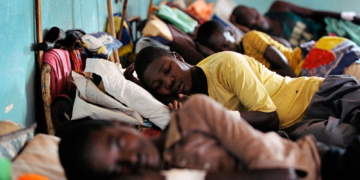
Hospitals in parts of northern Nigeria have reported rising cases of dehydration, heat exhaustion, and cardiovascular stress among elderly populations.
Climate Change as a Health Threat
The World Health Organization recognizes climate change as one of the greatest health challenges of the 21st century. Heatwaves increase mortality risk, worsen respiratory conditions, and exacerbate infectious disease spread.
Urban centers such as Lagos are also experiencing intensified heat island effects, placing additional strain on vulnerable populations without reliable cooling systems.
Recommended Public Health Measures
Health authorities advise:
- Increased hydration and reduced sun exposure
- Strengthened meningitis vaccination campaigns
- Integration of climate forecasting into health planning
- Investment in resilient health infrastructure
Nigeria’s response to climate-linked health threats will require coordinated policy across environmental, health, and urban planning sectors.
References
- World Health Organization Climate and Health Brief
- Nigerian Meteorological Agency Climate Reports
- Federal Ministry of Health Advisory Notes